Corporate Carbon Footprints: What You Need to Know
Date: 5/14/2025 12:00:00 AM
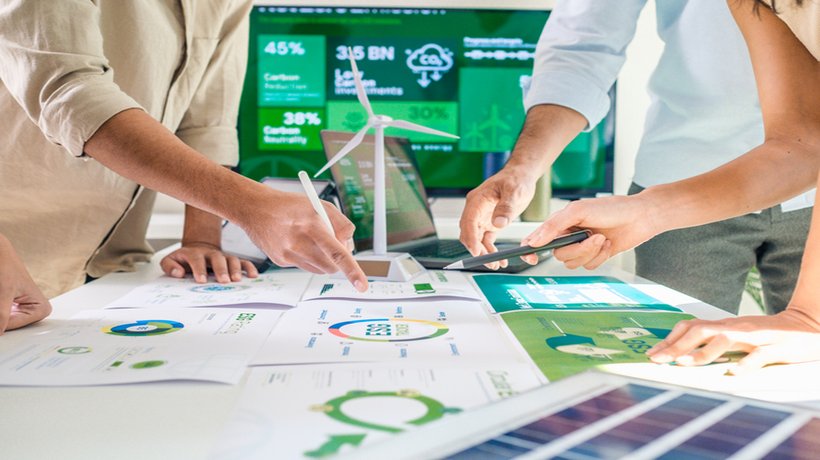
As the world increasingly recognizes the urgent need to address climate change, the role of businesses in this global effort has never been more critical. By understanding and managing their carbon footprint, companies not only contribute to the global fight against climate change but also position themselves as leaders in sustainability.
4 Types of Carbon Footprints
Individual Carbon Footprint:
An individual’s carbon footprint refers to the total greenhouse gas emissions resulting from their daily activities, such as transportation, household energy consumption, and food choices. These emissions include those from personal vehicles, public transportation, and air travel, as well as those generated from electricity usage, heating, and the operation of household appliances.
Corporate Carbon Footprint:
The corporate carbon footprint represents the overall greenhouse gas emissions associated with a company’s operations, covering both direct and indirect sources. This includes emissions from manufacturing processes, energy consumption in facilities, and logistics, as well as those arising from the procurement of raw materials and waste management. Companies can pinpoint areas to minimize their environmental footprint by evaluating these emissions.
Product Carbon Footprint:
A product’s carbon footprint is the cumulative greenhouse gas emissions produced throughout its entire lifecycle, from raw material extraction to disposal. This includes emissions from production, transportation, use, and the end-of-life stages, such as recycling or landfilling. Understanding the carbon footprint of a product enables companies to identify opportunities for emission reductions and develop more sustainable offerings.
Event Carbon Footprint:
An event’s carbon footprint accounts for the greenhouse gas emissions generated by all activities related to a specific event, like a conference or festival. This includes emissions from travel, venue energy consumption, catering, and waste disposal. By analyzing an event’s carbon footprint, organizers can highlight areas to reduce emissions, thereby improving the event’s sustainability.
Understanding Corporate Carbon Footprints
A corporate carbon footprint represents the total amount of greenhouse gasses (GHGs) emitted directly or indirectly by a company. This footprint is usually measured in units of carbon dioxide equivalents (CO2e), which symbolize the impact of different masses relative to CO2. These emissions are categorized into three scopes, as defined by the Greenhouse Gas Protocol:
- Scope 1: Direct emissions from owned or controlled sources.
- Scope 2: Indirect emissions from the generation of purchased electricity, steam, heating, and cooling consumed by the company.
- Scope 3: All other indirect emissions that occur in a company’s value chain, including both upstream and downstream activities.
Moreover, below are the major sources through which a company's activities contribute to its carbon footprint:
Energy Consumption:
Energy consumption involves the use of electricity, heating, cooling, and fuel in a company's operations. These activities contribute significantly to a company’s carbon footprint. The source of the energy—whether renewable or fossil fuels—greatly influences the level of emissions. Efficient energy management and renewable sources can help reduce these emissions.
Transportation:
A product’s carbon footprint is the cumulative greenhouse gas emissions produced throughout its entire lifecycle, from raw material extraction to disposal. This includes emissions from production, transportation, use, and the end-of-life stages, such as recycling or landfilling. Understanding the carbon footprint of a product enables companies to identify opportunities for emission reductions and develop more sustainable offerings.
Manufacturing Processes:
Manufacturing processes generate emissions through energy-intensive activities and chemical reactions. These emissions are often direct, such as those from fuel combustion or industrial processes. Efficient production techniques and cleaner energy sources can help mitigate these emissions.
Supply Chain:
Supply chain emissions include those from the production and transportation of raw materials and components. These emissions are typically classified as indirect emissions. The distance and mode of transport, as well as the energy used in material production, affect the overall footprint. Optimizing supply chain efficiency and choosing low-carbon materials can lower emissions.
Product Use:
Product use emissions occur when consumers use a company's products. These are usually indirect emissions that depend on the product's energy consumption during its lifecycle. Companies can design more energy-efficient products to reduce these emissions. Encouraging consumers to use products in a more sustainable way can contribute to lowering the carbon footprint.
Waste Management:
Waste management emissions result from the disposal, treatment, and recycling of waste. Proper waste management can reduce emissions, recycling typically has a lower carbon footprint than producing new materials, but it still involves some emissions. Companies can reduce waste-related emissions by promoting recycling and minimizing waste generation.
Purchased Goods and Services:
Purchased goods and services have embedded emissions from production, transportation, and delivery. These are typically classified as indirect emissions in the value chain. The carbon footprint of these goods depends on the energy used in their lifecycle. Companies can reduce these emissions by selecting suppliers with low-carbon practices.
Why Calculating a Corporate Carbon Footprint Matters
Fulfilling Corporate ESG:
Calculating and managing corporate carbon footprint is a crucial aspect of fulfilling environmental obligations within ESG. It signals a strong commitment to reducing environmental impact, which is valued by stakeholders and investors. By accurately measuring and managing carbon footprint, companies contribute to global efforts to combat climate change.Switching to green energy, such as purchasing renewable electricity or renewable energy certificates (RECs), is one of the most effective ways to reduce a company’s carbon footprint and fulfill ESG expectations
Ensuring Carbon Regulation Compliance and Risk Mitigation:
The EU Emissions Trading System (EU ETS) and the Corporate Sustainability Reporting Directive (CSRD) require transparent emissions reporting. In Taiwan, the Climate Change Response Act mandates GHG reporting and sets the stage for upcoming carbon fee implementation starting in 2025. Companies that measure and reduce their carbon footprint early can avoid unexpected costs, prepare for green power requirements, and meet international trade standards like the EU’s Carbon Border Adjustment Mechanism (CBAM).
Creating Economic Benefits:
A well-managed carbon footprint can generate substantial economic benefits. Businesses can cut energy expenses, improve operational efficiency, and make smarter supply chain decisions based on emission data. More importantly, companies can plan for and minimize future expenses from carbon fees or taxes. Investing in renewable energy and using carbon credits to offset emissions not only supports carbon neutrality goals but also positions businesses for green financing and tax incentives.
Building Market Competitiveness:
Consumers and B2B buyers increasingly prioritize low-carbon and environmentally friendly brands. By lowering corporate carbon footprints and communicating results transparently, companies can improve brand reputation, win customer loyalty, and stand out in competitive markets.
Green power usage, emissions disclosures, and net-zero commitments are key purchasing factors for international brands and supply chain partners. Businesses that lead in sustainability gain long-term trust and commercial advantage.
Driving Innovation Through Sustainability And Renewable Energy:
Carbon footprint reduction encourages innovation in technology, process design, and energy use. Companies pursuing sustainability are more likely to develop eco-friendly products, smart energy systems, and low-emission operations.
Adopting green energy, carbon capture, or AI-powered energy optimization tools can reduce emissions while unlocking new business opportunities. Sustainability-driven innovation not only cuts carbon but also builds a more resilient, future-proof organization.
How to Calculate a Corporate Carbon Footprint
First Step-Calculating Carbon Emissions:
By integrating data from various sources and applying specific emission factors, CarbonR calculates total emissions with precision. Advantech WISE-IoT’s CarbonR excels in data integration and accurate calculation, offering companies the analytics they need to make informed decisions about reducing their carbon footprint.
Second Step-Hotspot Analysis:
CarbonR performs Hotspot Analysis to identify key areas within an organization that contribute most to carbon emissions. The platform’s advanced analytics and visualization tools help businesses refine their emission reduction strategies by highlighting specific locations and activities with the highest impact. It also provides detailed reports, graphs, and charts to track trends and guide effective carbon reduction efforts.
Third Step-Managing Emission Factors:
CarbonR allows companies to define, update, and apply emission factors with precision, ensuring that calculations remain accurate and compliant with current regulations and operational changes. The platform’s user-friendly interface and advanced features streamline the management and validation of these factors, providing businesses with actionable environmental insights.
Ways for Corporations to Lower Their Carbon Footprint
ECOWatch:
Advantech WISE-IoT's ECOWatch platform aids businesses in reducing their product carbon footprints by offering robust energy management tools. It enables real-time monitoring and analysis of energy use, helping companies swiftly detect and correct inefficiencies. Key features such as energy alerts, anomaly detection, and KPI tracking enhance operational efficiency. Additionally, ECOWatch’s customizable dashboards simplify the presentation of energy data, making it easier for companies to engage stakeholders and promote sustainable practices, leading to lower carbon emissions.
PHM:
WISE-IoT’s PHM helps businesses lower their carbon footprints by using AI-driven predictive health monitoring to improve machinery efficiency and reliability. It forecasts machine health, detects potential failures early, and supports both cloud and on-premises integration. This optimization reduces downtime, minimizes energy waste, and cuts emissions.
HVAC:
The HVAC system reduces product carbon footprints by optimizing heating, ventilation, and air conditioning efficiency. It enables real-time management of equipment and energy use, while AI-driven diagnostics enhance performance by detecting abnormalities and providing quick response alerts. This ensures safe, stable, and energy-efficient operations.
Compressor:
Compressor optimizes energy efficiency in air compressor operations across multiple sites, helping businesses reduce their carbon footprints. It provides real-time monitoring for remote inspections, analyzes energy use to pinpoint inefficiencies, and automates error notifications for swift repairs. By integrating data for a comprehensive analysis, the system effectively minimizes energy waste and lowers carbon emissions.
Ways for Corporations to Lower Their Carbon Footprint
Reducing a company's carbon footprint offers numerous benefits. By optimizing energy efficiency, adopting sustainable practices, and leveraging advanced technologies, businesses can not only reduce their environmental impact but also drive innovation and operational efficiency. These efforts contribute to long-term sustainability and resilience, positioning companies as leaders in a rapidly evolving global market.
Contact Us
Advantech is dedicated to supporting your company in a low-carbon economy. Our experts are here to guide you through each step of implementing effective, sustainable solutions. Please reach out to our team at Contact Us.